WaterPact
The Moore Institute for Plastic Pollution participated in a NREL project. An SOP has been created for the project.


The Moore Institute for Plastic Pollution participated in a NREL project. An SOP has been created for the project.
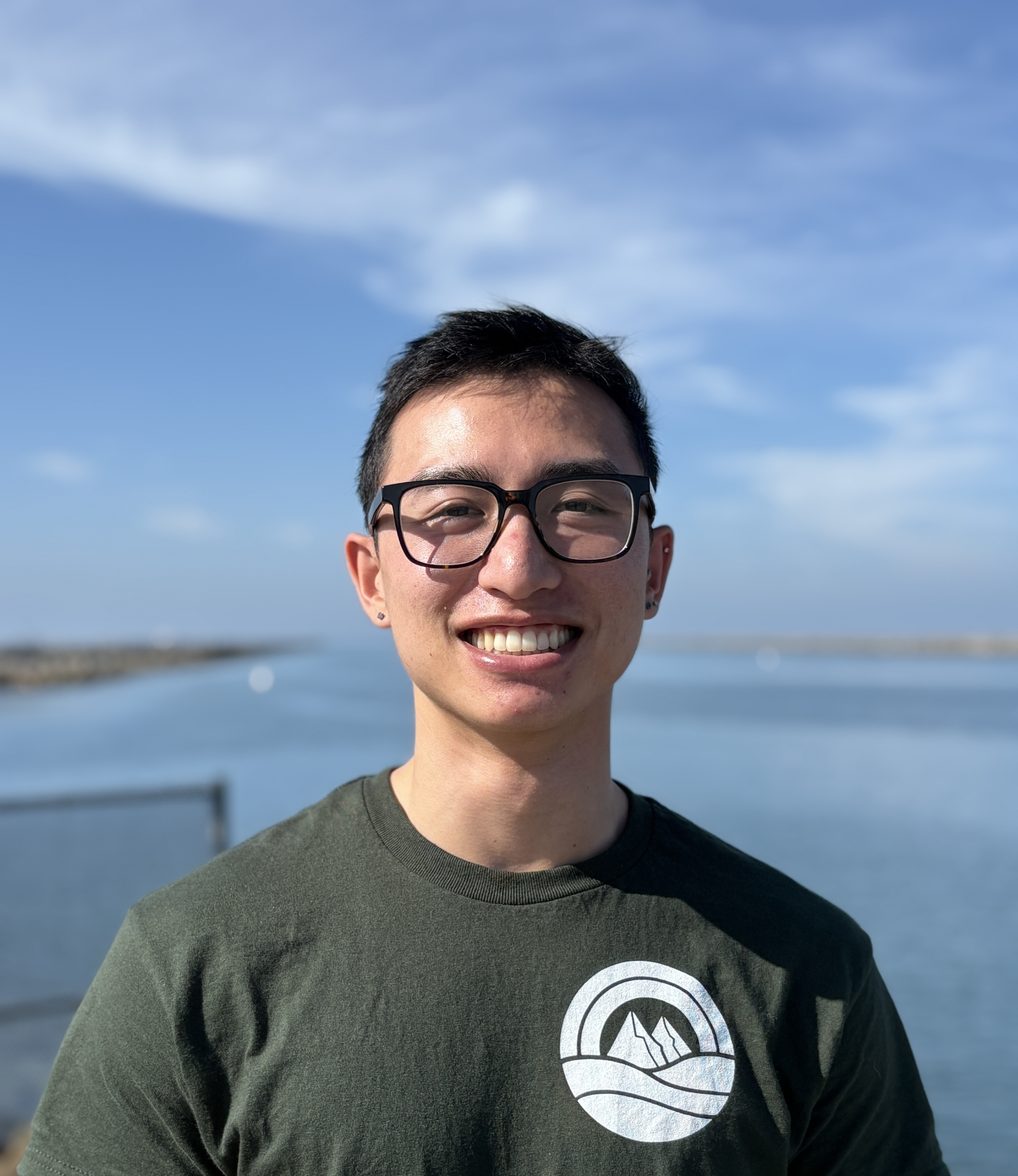
Education
B.S. Biology, Concentration in Ecology and Evolutionary Biology – California State University Fullerton
Kalvin got his start in aquatic and botanical field research in Colorado studying riverine fishes and post-wildfire plant communities, before returning to California as an environmental laboratory technician. His love for research and laboratory work led him to the Moore Institute, where he hopes to further his conservation interests by advancing our understanding of plastic pollution’s environmental effects. Outside the lab, you’ll find him running, camping, and photographing the plants and animals he finds along the way.
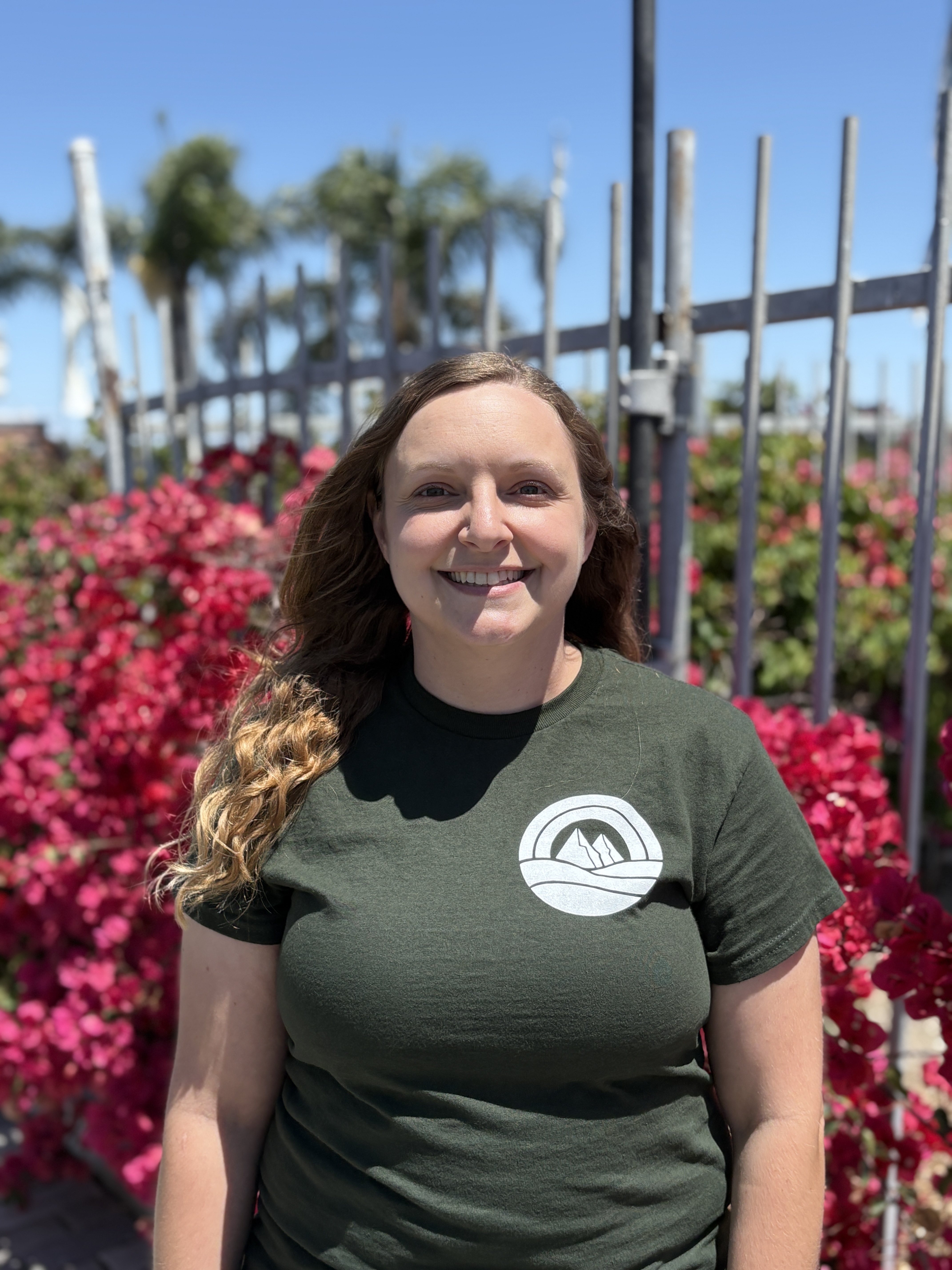
Education
B.S. Conservation Biology and Ecology, Arizona State University
Annie is passionate about ecology, with a particular interest in seabirds and how human activity affects their ecosystems. Outside of work, she enjoys getting lost in a good book or camping and hiking with her husband and their dog, Frodo.
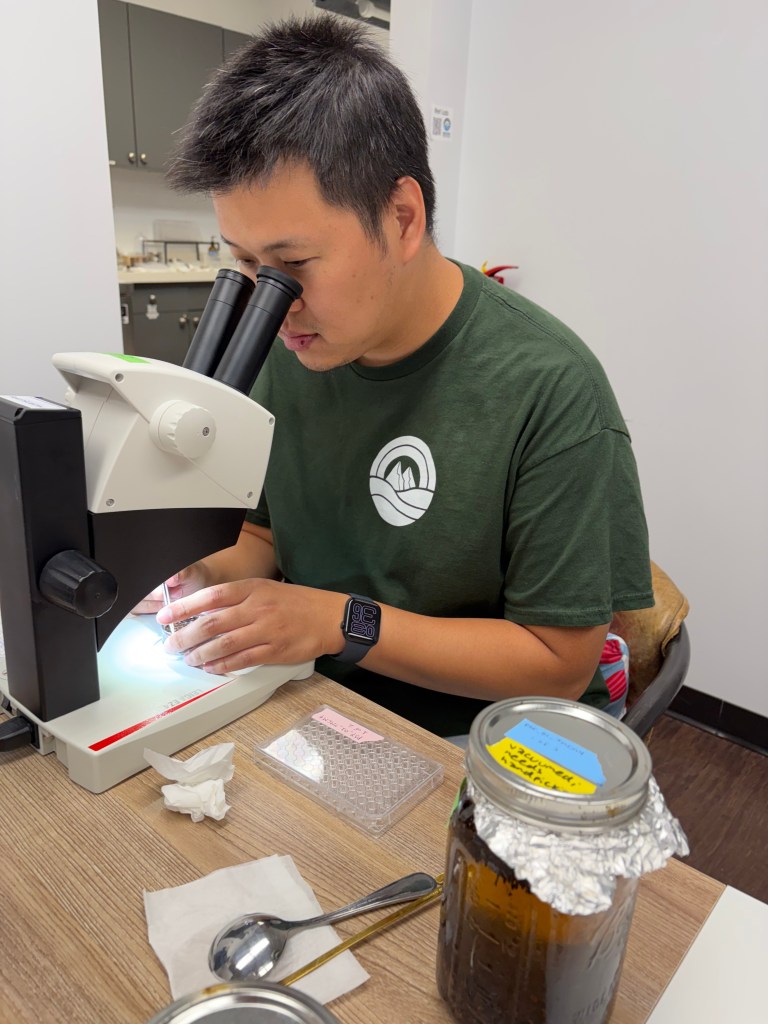
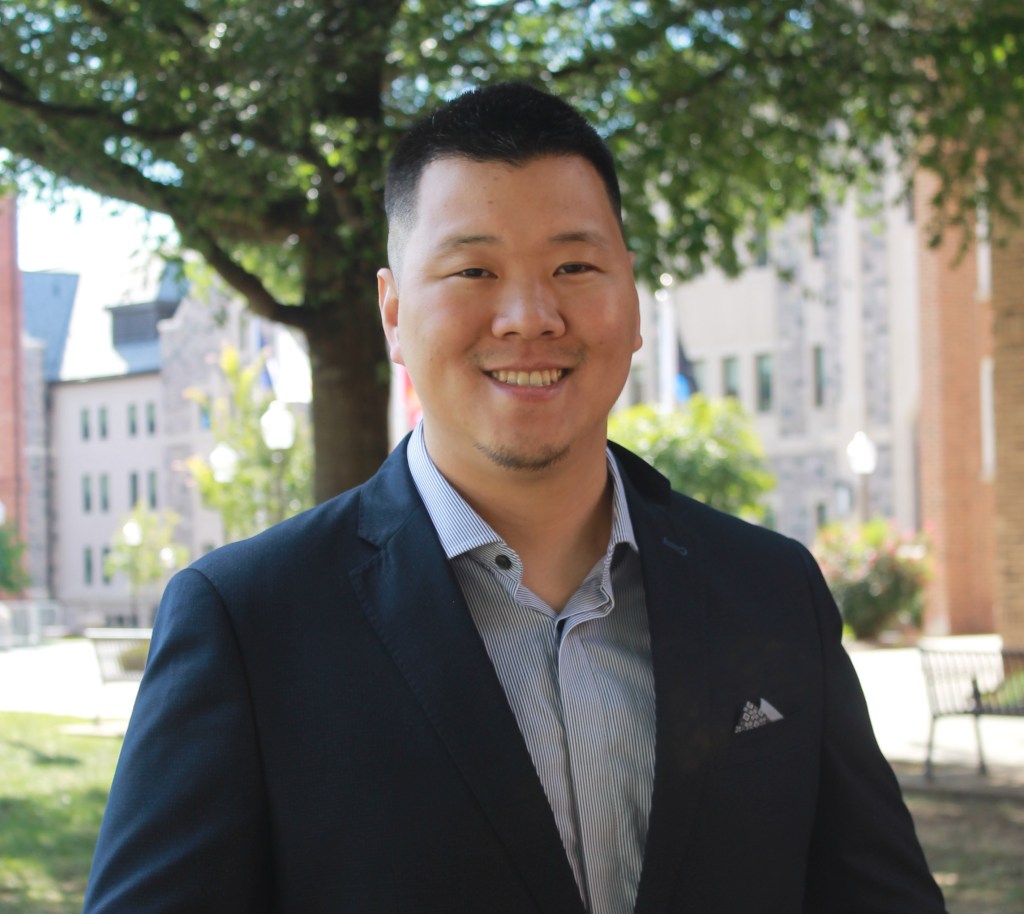

Yen is a PhD candidate in the Department of Science, Technology, and Society at Virginia Polytechnic Institute and State University (Virginia Tech) in Virginia. His dissertation project focuses on multiple microplastic strategies in the United States. By asking how microplastic pollution is being understood and mitigated, he examines regulatory projects, covering various
endeavors from statewide monitoring strategies to grassroots educational outreaches.
Yen also works with his colleagues at Virginia Tech to study the petrochemical industry’s business strategies in the overcapacity crisis since 2020. This project investigates how petrochemical producers, policymakers, and professionals have promoted a range of framings of the crisis, and a
range of calls for state and international interventions.
As an interdisciplinary researcher, Yen firmly believes that scholars should always look forward to translating their work for public and policy audiences and facilitating its social engagement. He co- hosted an industrial decarbonization workshop to bring representatives from stakeholder groups to identify equitable and viable pathways to decarbonize ethylene production. He also worked with museum curators and artists in the 2020 Taipei Biennial to turn his master’s thesis—studying a significant food adulteration class action in Taiwan—into a “theater of negotiations” in order to engage in realistic exercises in negotiations and public policy on the issue in question.
During his six-week internship at the Moore Institute for Plastic Pollution Research, Yen processed and analyzed soil samples from the Palisades fire burn area in Southern California for microplastics. He also assisted with MIPPR’s high-throughput microplastics analysis workshop and helped assemble toolkits for educational outreach. He will continue working with MIPPR to support data analysis and visualization.


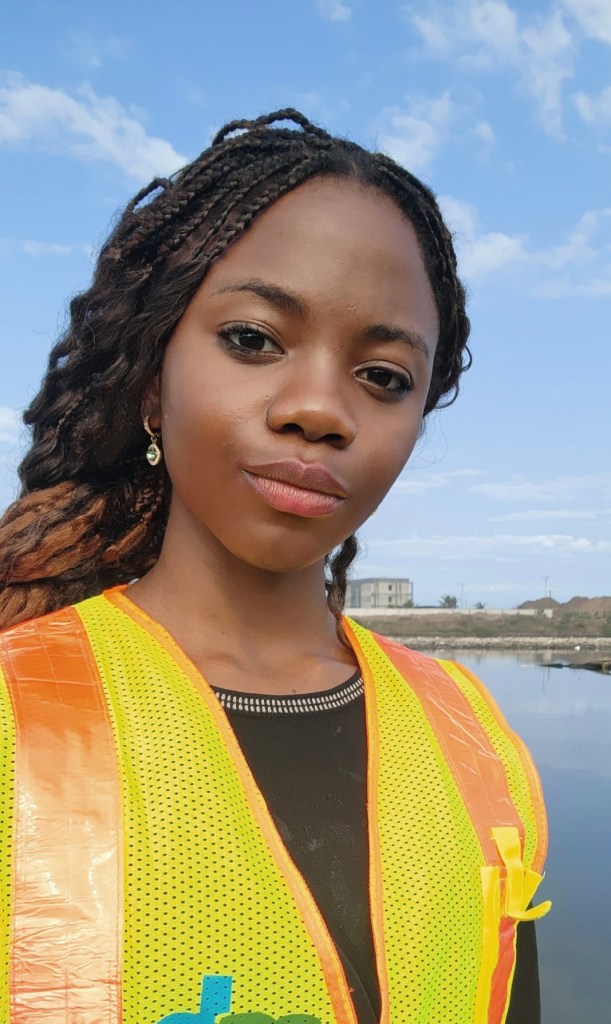
Serena is a biochemist researcher from the University of California (USC). Her research focus is analyzing microplastic concentration in sediment and water samples found in river banks. Her current research involves analyzing samples from rivers in Accra, Ghana.
At the Moore Institute, Serena gained hands-on experience processing and analyzing the environmental samples using MIPPR’s state-of-the-art spectroscopy instrumentation and high-throughput analysis workflows.


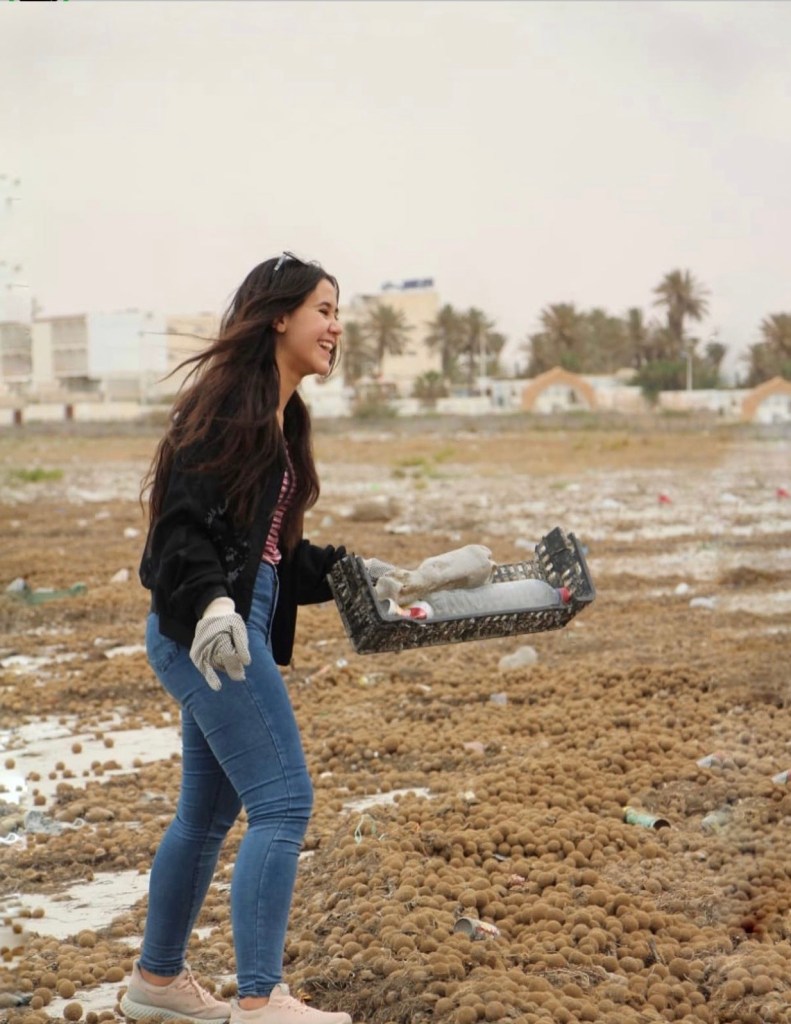
Manar is a storyteller, National Geographic Young Explorer, and the founder of EcoWave, a youth-led organization in Tunisia. Elkebir’s mission is to galvanize young people in her community to tackle global environmental issues and develop existing solutions to make change. She has received recognition from international organizations such as Global Leader Of Solutions To Plastic Pollution from Algalita Research and Education, Ocean Hero 2019, and Conrad Innovator. As well as been involved with the design of the Planeteer Alliance, and negotiations at COP27 COP28 supporting youth engagement around the INC global plastics treaty.
At the Moore Institute for Plastic Pollution, Manar conducted research on assessing sample contamination during microplastics analysis. She investigated fiber contamination by comparing a 100% leather to a 100% cotton lab coat.


Nico is a postdoctoral researcher from the Spanish National Research Council (CSIC). He has a PhD in Physics from the Ludwig-Maximilians University of Munich. He specializes in optics and Raman spectroscopy for the categorization of micro and nano materials.


Emily is a Computer Science student at the University of Guelph. She is an experienced software developer specializing in full-stack web development and technical problem-solving. At the Moore Institute for Plastic Pollution, she contributed to projects focused on streamlining microplastic analysis for plastic pollution research. Her work included organizing particle measurements into structured CSV datasets, incorporating auto-cropping and scaling in Python, and applying perspective transformation to correct image distortion.
Through this experience, she gained a strong understanding of the urgency of microplastic pollution and the role of technology in advancing research. She is motivated to build data-driven solutions that raise awareness and support action to protect oceans and marine life.


Jaeden is a Computer Engineering student at the University of Guelph. He is a software developer with experience in research and web application development. At the Moore Institute for Plastic Pollution, he contributed to the development of the checkerboard method by supporting image-analysis workflow design and automation.

Before co-founding MIPPR alongside Charles and Shelly in 2020, Katie had spent over a decade leading its sister organization, Algalita Marine Research and Education. She joined the organization in 2010 to build a new set of dynamic programs aimed at empowering students and teachers across the globe. Her strong vision for Algalita’s future led her to the helm of the organization, and in 2016, she took on the role of Executive Director. Driven by her passion for doing things no one else has done before, she knew incorporating a brand new 501c3 would allow the Algalita research team to shift focus beyond ocean plastics and expand the scope of their efforts to investigate how plastics pollute our entire biosphere. She is captivated by both organizations’ missions and is grateful every day for the opportunity to lead and support such authentic teams
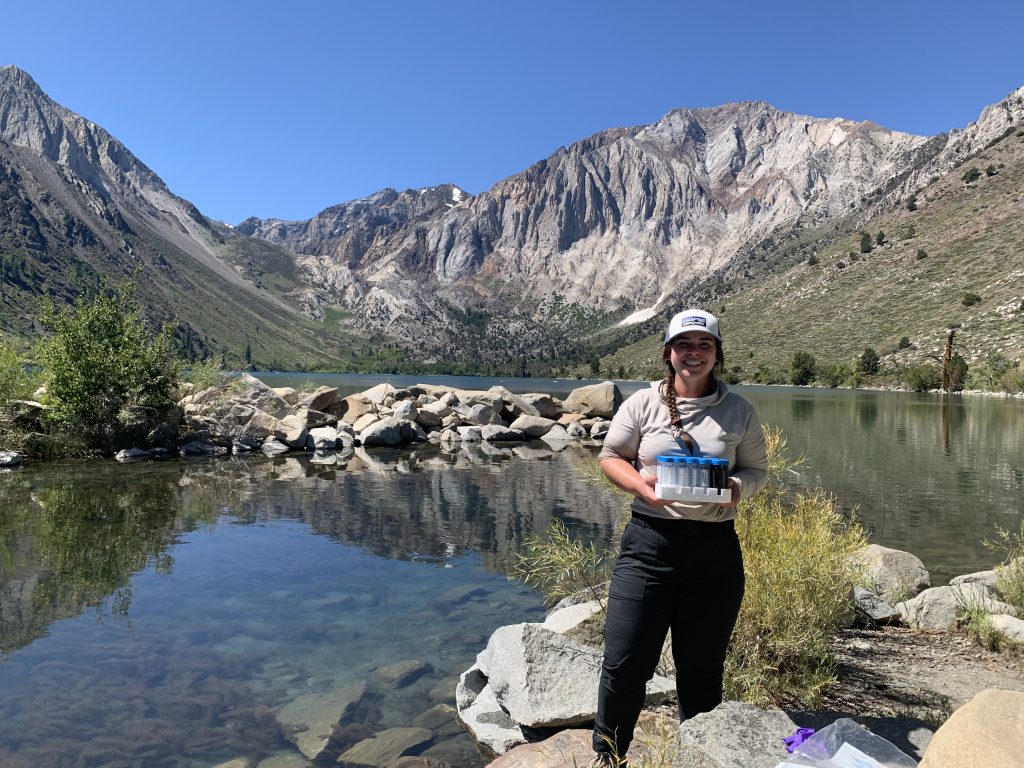
Becca Reynolds’ work examines how plastics and associated chemical contaminants, including PFAS, affect water quality in urban and rural watersheds. Her recent projects include developing a novel field-surveying method to estimate terrestrial litter abundance with measures of variance, and evaluating its agreement with established litter assessment approaches to improve accuracy and enable cross-study comparison. She also analyzes groundwater, surface water, and treated and untreated wastewater to determine microplastic and PFAS composition and concentrations, providing insight into pollutant transport between natural and built water systems and informing City managers about plastics’ impacts on drinking-water resources.
Becca is dedicated to mentoring emerging scientists and has collaborated with more than twenty undergraduate researchers through her role as a graduate mentor with the Bren Environmental Leadership Program and as the Academic Coordinator for UCSB’s NSF Field-based Undergraduate Engagement through Research, Teaching, and Education Program.
She will soon defend her PhD dissertation at UC Santa Barbara’s Bren School, where she also earned her Master’s in Environmental Science and Management, and she holds a B.S. in Cell Biology from UC Davis.


Zoë is a PhD student in the Department of Physical and Environmental Sciences at the University of Toronto, Canada, working with Dr. Chelsea Rochman. Her research focuses on developing automated methods for microplastic analysis using spectroscopy, building on my undergraduate thesis on microplastics in landfill leachate, which required hours of manual spectroscopy. Through internships with Ocean Uprise by Parley for the Oceans and as a field researcher with the U of T Trash Team’s Fighting Floatables Project, working with Seabins and LittaTraps on the Toronto waterfront. Zoë enjoys teaching undergraduate students and introducing younger audiences to environmental science through outreach projects such as making music with Pellet Percussions and “Life of a Pellet”, a stop‑motion short film funded by Ocean Wise that highlights a lesser‑known source of plastic pollution. With MIPPR, we are working on an interlaboratory comparison of methods in efforts to harmonize workflows of microplastic analysis.
Education
M.S. Biology – California State University, Long Beach
B.S. Biological Sciences, University of California, Irvine
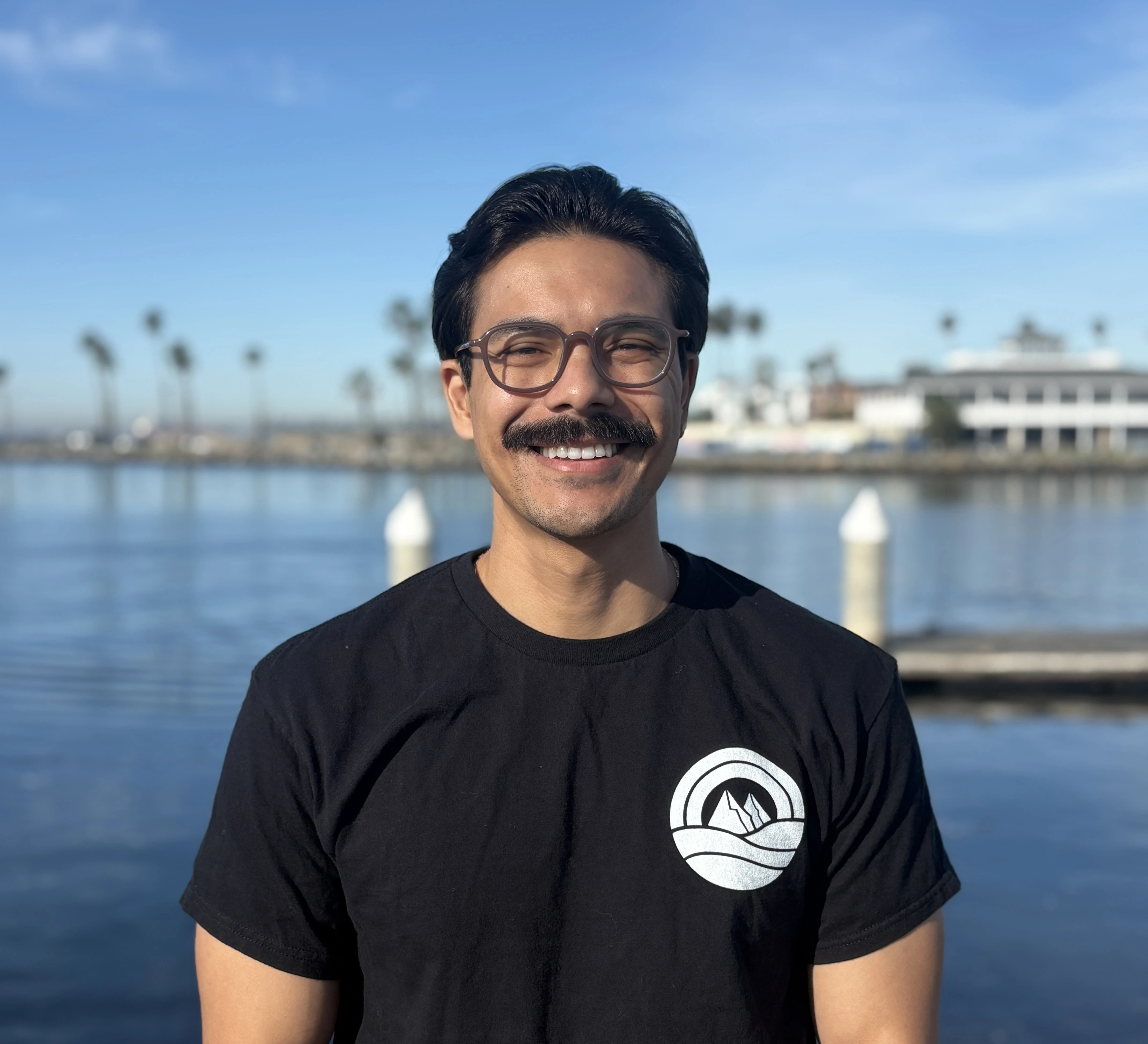
Tommy has a Master’s degree in Biology from California State University, Long Beach, and a Bachelor’s in Biological Sciences from the University of California, Irvine. He has studied microplastic toxicity and distribution across Southern California’s marine environments.
He is passionate about understanding pollutants, their sources, and toxicity to protect both human health and aquatic ecosystems better.
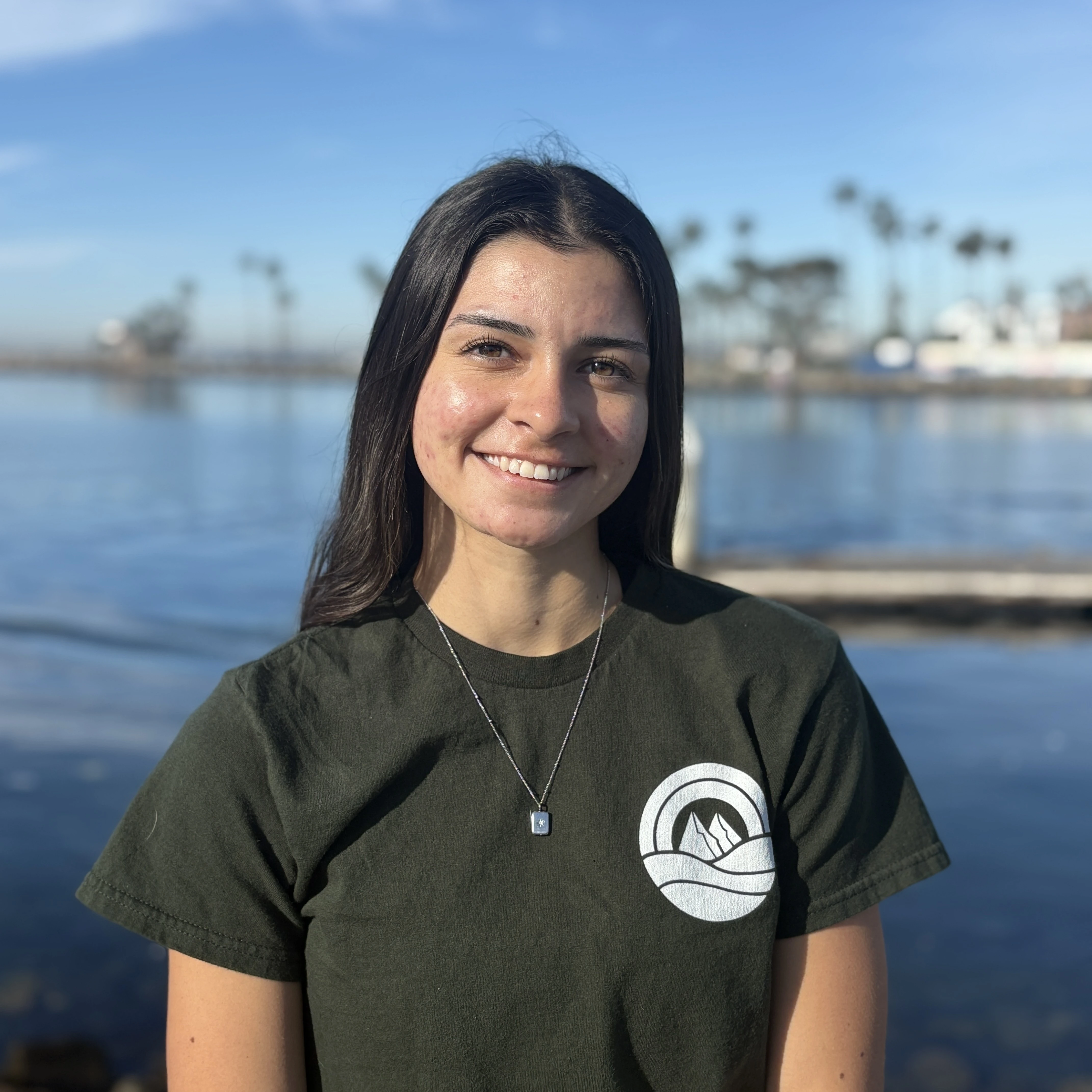
Hailey is currently in her last semester at California State University, Long Beach, majoring in marine biology and minoring in chemistry. She started at the Moore Institute as a volunteer and recently got hired as a research scientist. Hailey has a background in toxicological research, analyzing how environmental contaminants influence the behavioral and molecular responses of zebrafish. In her free time, she enjoys fishing, reading, and being active.
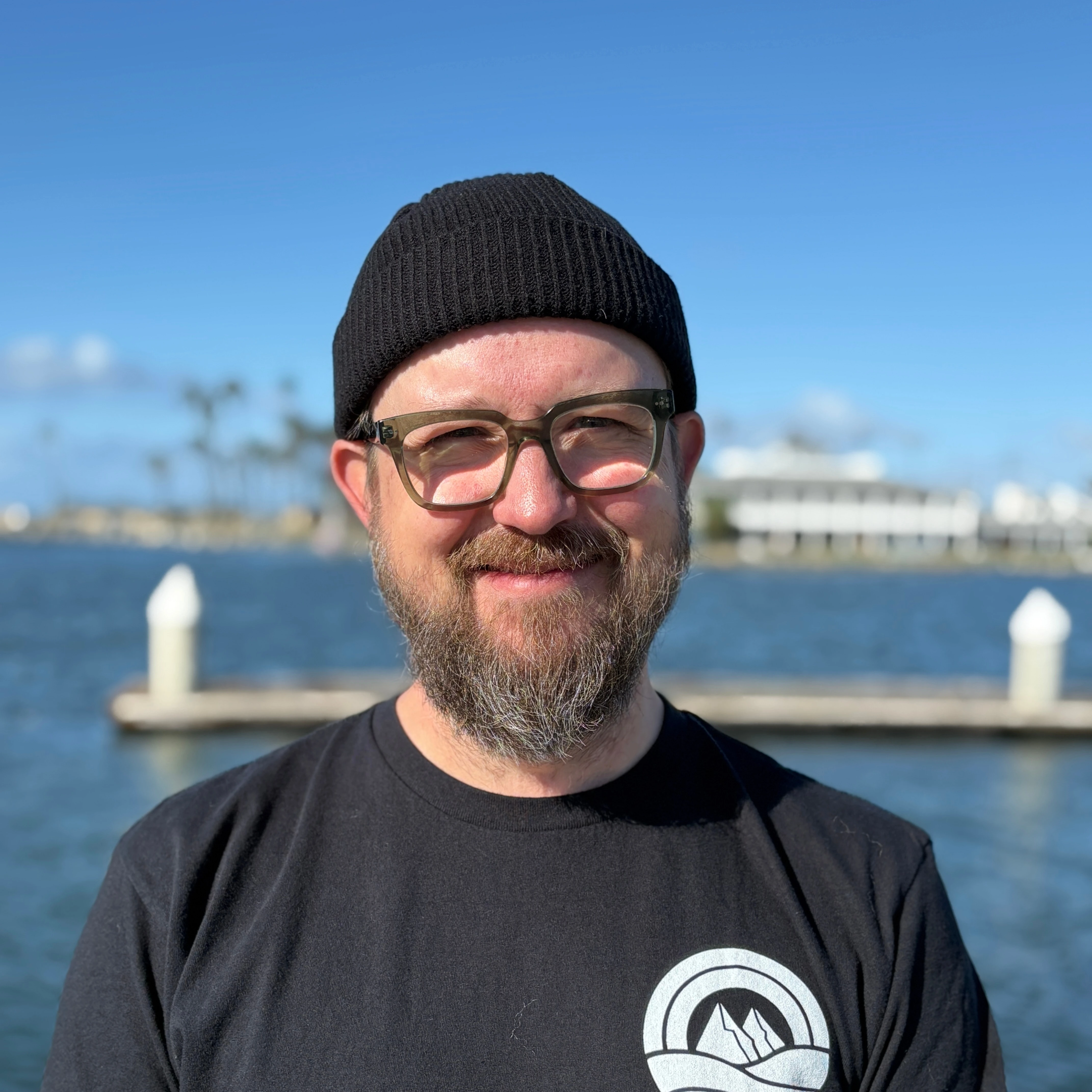
Chris Klibowitz discovered the Moore Institute while completing coursework on non-profit organizations, and believed in our mission so much that he joined the team as a volunteer in the lab after completing his degree. You can usually find him riding his bike, sailing or kayaking in the bay, exploring the desert, or watching a baseball game, and he brings decades of experience running shops in the bicycle and overland industries to his role as our director of operations.
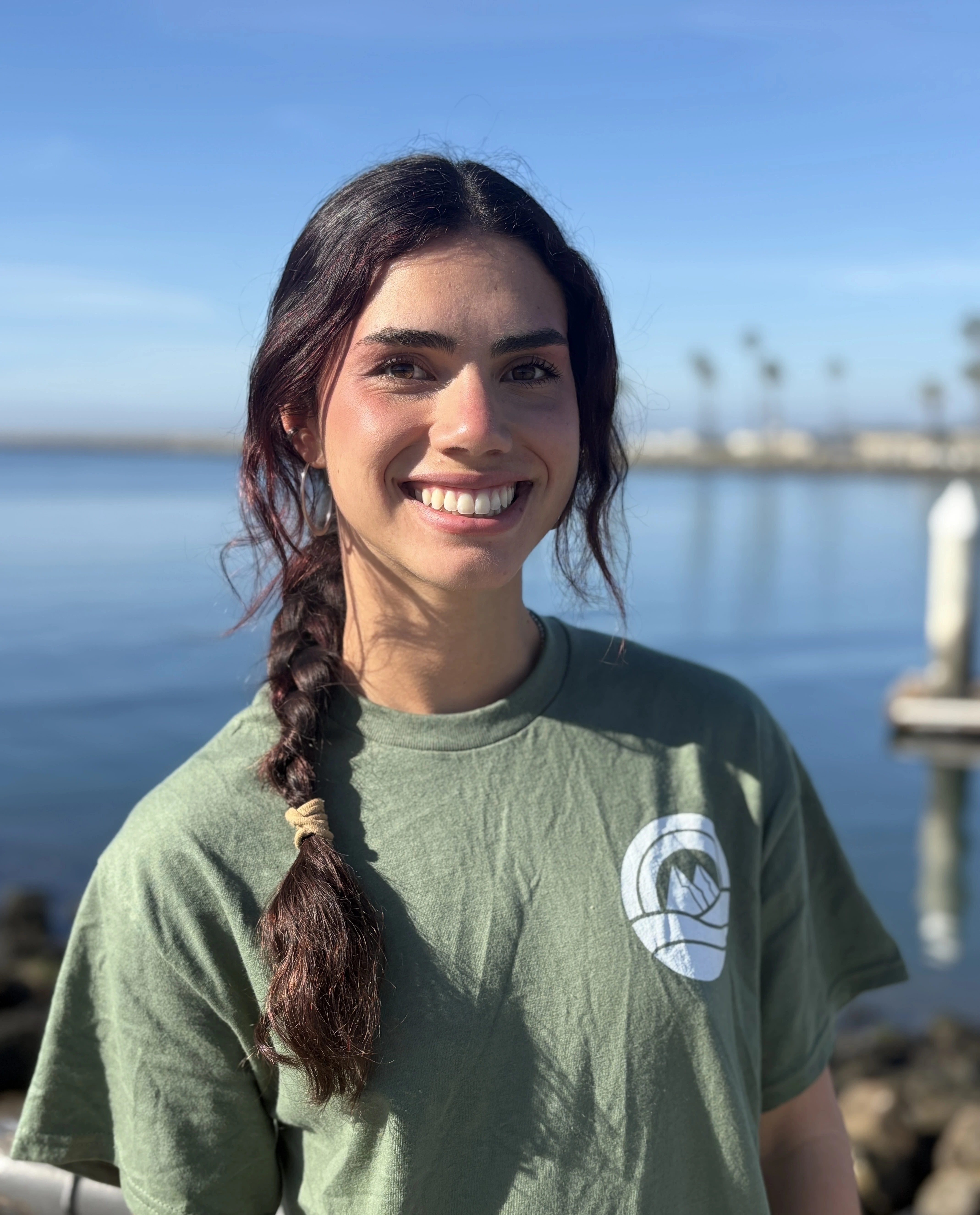
Gabriella Prior is a 4th-year undergraduate student pursuing a bachelor’s degree in marine biology at California State University, Long Beach. She has spent most of her college career studying physiological and morphological tendencies in a variety of different fish, volunteering in research labs on campus. As a student of our own Lindsay Darjany at CSULB, she jumped on the opportunity to volunteer at the Moore Institute in September of 2024. She was then selected via the College Corps program to intern at the Moore Institute, where she now has now begun conducting her own research in plastic pellet production and publishing her own research paper.
Education
B.S. Environmental Science – California State University Dominguez Hills
Angela is passionate about environmental sustainability. She has a background working in sustainable urban agriculture and addressing environmental justice issues. She started as a volunteer at the Moore Institute and now works as a lab technician. She enjoys spending time outdoors, learning more about our planet and the ways we can continue to protect it.
Education
Masters of Environmental Data Science – Bren School of Environmental Science & Management, University of California, Santa Barbara
B.E. Earth System Science and Engineering – The City College of New York
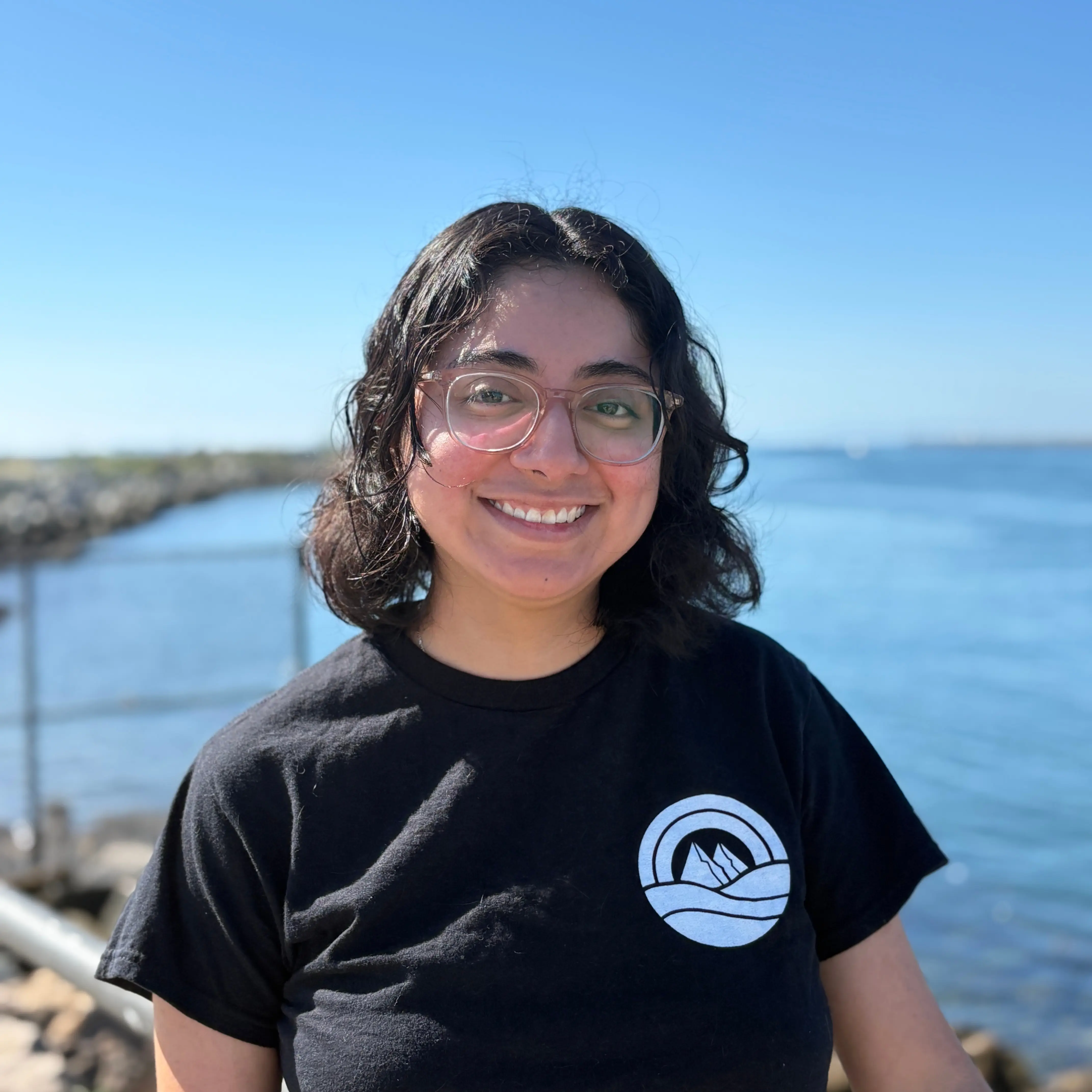
Hazel’s work focuses on trash and waste management, with experience working with data related to compost, construction and demolition debris, wastewater, and plastic pollution. Her work is guided by a commitment to using data for social and environmental good.
In her free time, Hazel can often be found crafting while her cat, Botitas, supervises.
Education
M.S. Biology – California State University Long Beach
B.S. Marine Biology – California State University Long Beach
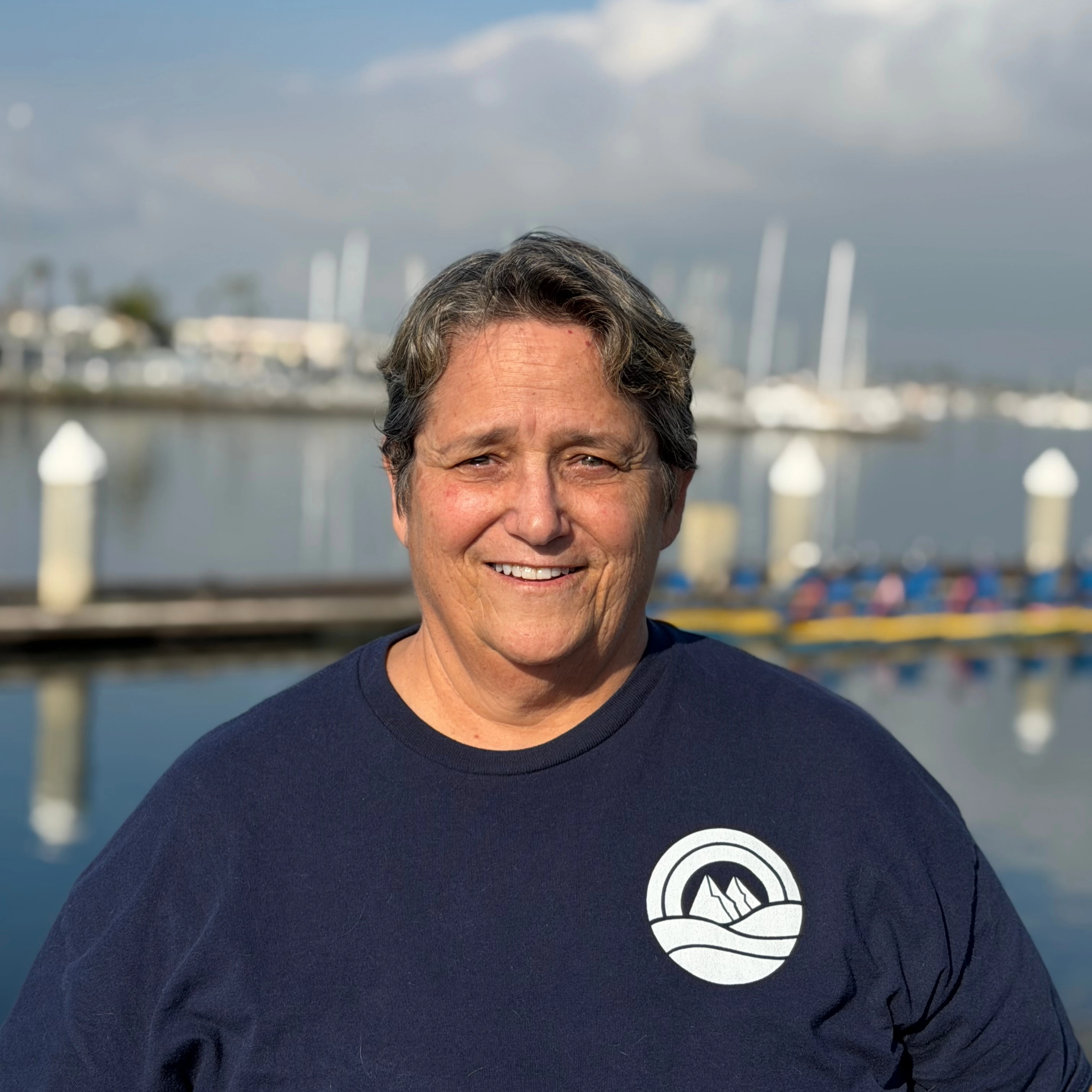
Ms. Moore (no relation to Charles Moore) has more than 25 years experience in the water quality field and specializes in trash and marine debris in aquatic environments. She has done research to provide both the regulated and regulator communities with baseline information necessary to determining the efficacy of recent policies and legislation around trash in the environment. She was also part of the 1999 North Pacific Gyre study sample design team. She has served as chair for regional monitoring surveys in Southern California and as co-chair for the California Trash Monitoring Workgroup, a subcommittee of the California Water Quality Monitoring Council supported by the California State Water Resources Control Board. Most recently Ms. Moore co-led and planned an international workshop on Microplastics Methods. The goal of this workshop was to bring regulators and methods exports together to inform stakeholders of current legislative requirements and the most current methods to evaluate microplastics. From this workshop, a Microplastics Method Evaluation and Standardization study has been developed to determine the accuracy, repeatability and costs of methods currently used to assess microplastics in a variety of environments.
Education
M.S. Biology – California State Long Beach
B.S. Marine Biology – University of California, Santa Cruz
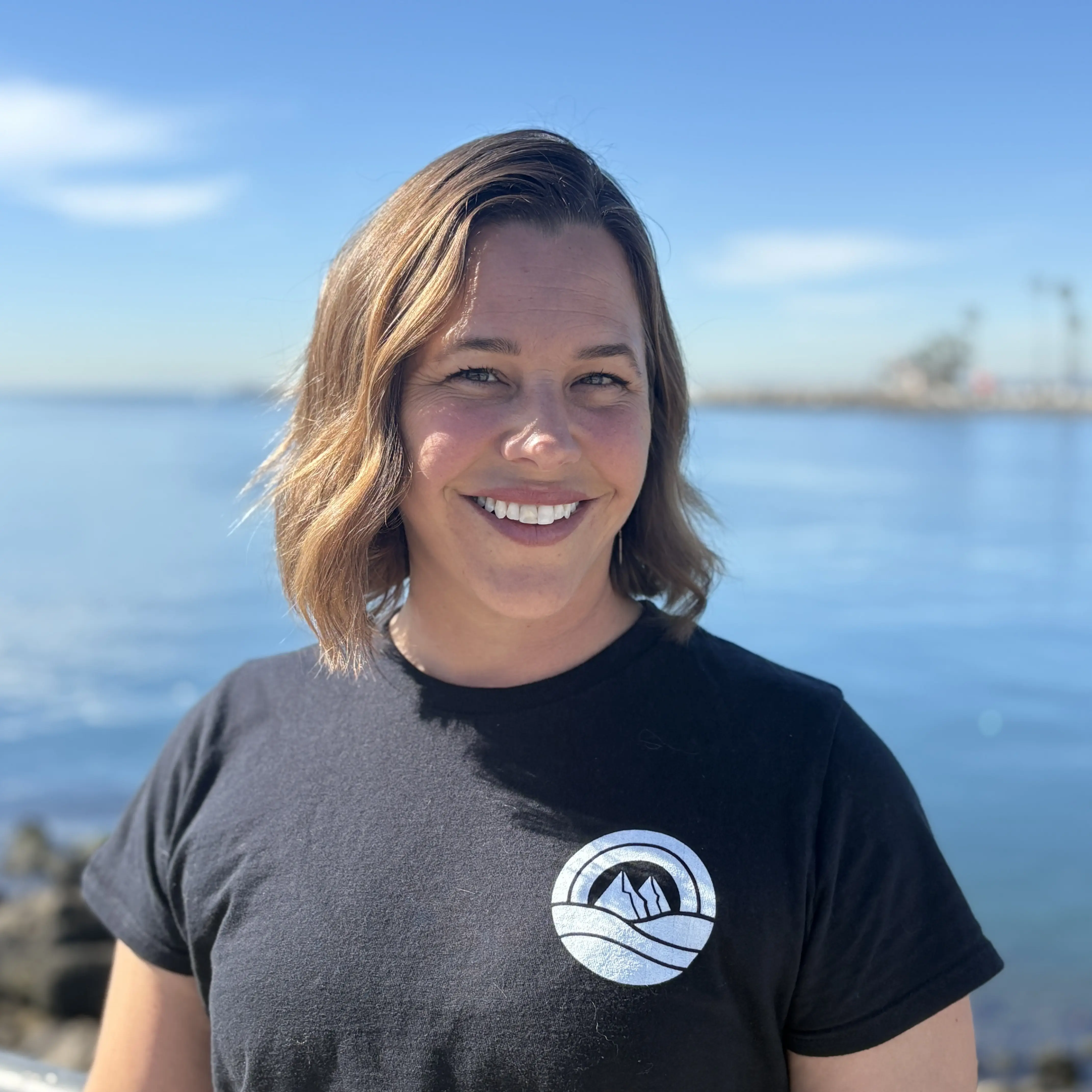
Lindsay Darjany has an extensive background in marine science spanning many years in intertidal invertebrate monitoring, phytoplankton ecology and marine microbial ecology. She has had the opportunity to perform field work in many different coastal ecosystems including coastal California salt marshes, open-ocean, tropical reefs, and Antarctic Sea ice environments.
Her focus in the natural world has always been on the minute, ubiquitous world of organisms that are unseen to the naked eye, which naturally lead her to the study of microplastics because of their pervasiveness in all environments. In her free time she enjoys hiking, surfing, and exploring the nearshore coastal environments around her.

Education
M.A.T Multidisciplinary Studies Science Emphasis – Webster Univrsity
B.S. Environmental Chemistry – University of California, Berkley
Andrea has 25 years of experience in the fields of analytical chemistry, environmental consulting, and teaching. What led her to plastic pollution research? Andrea used to bike along the Ballona Creek each day on the way to work and was appalled by the amount of plastic stuck along the creek bank and pouring into the ocean. She wanted to get involved in plastic pollution research and mitigation. She left teaching, found the Moore Institute, and has been dedicated to learning all she can about microplastic pollution and the analytical techniques.
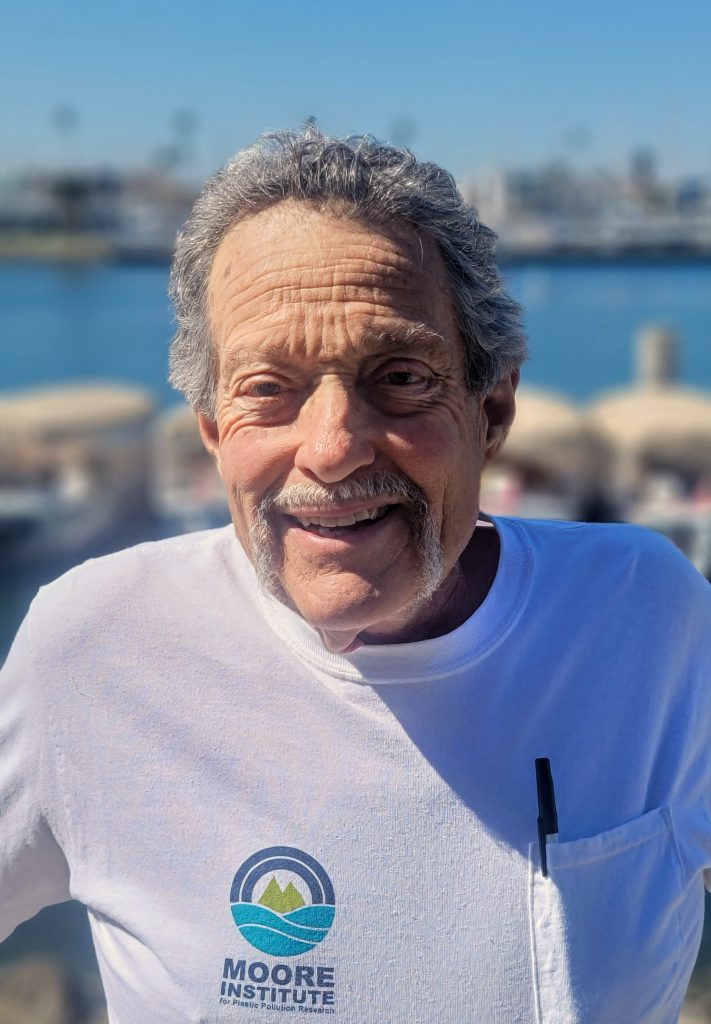
Captain Moore has been focused on bringing microplastics to the attention of the public for more than two decades. His landmark study on microplastics in the North Pacific Gyre, showing that for every kilo of plankton there are 6 kilos of plastics, has been widely read and cited throughout science publications and the media. He has presented to a wide variety of stakeholders and published numerous peer reviewed papers to get the message out that microplastics are bad for the environment and are of concern for the health of marine organisms. He has been on such shows as the Osgood File, Late night with David Letterman, The Colbert Report, Nightline, Discovery Channel Canada, 60 Minutes Australia, and Al Jazeera. He was engaged by the Encyclopedia Britannica to give the definition of plastic pollution for their online edition
Education
Ph.D. Environmental Science Soil and Water – University of California, Riverside
B.S. Environmental Science – Iowa State University
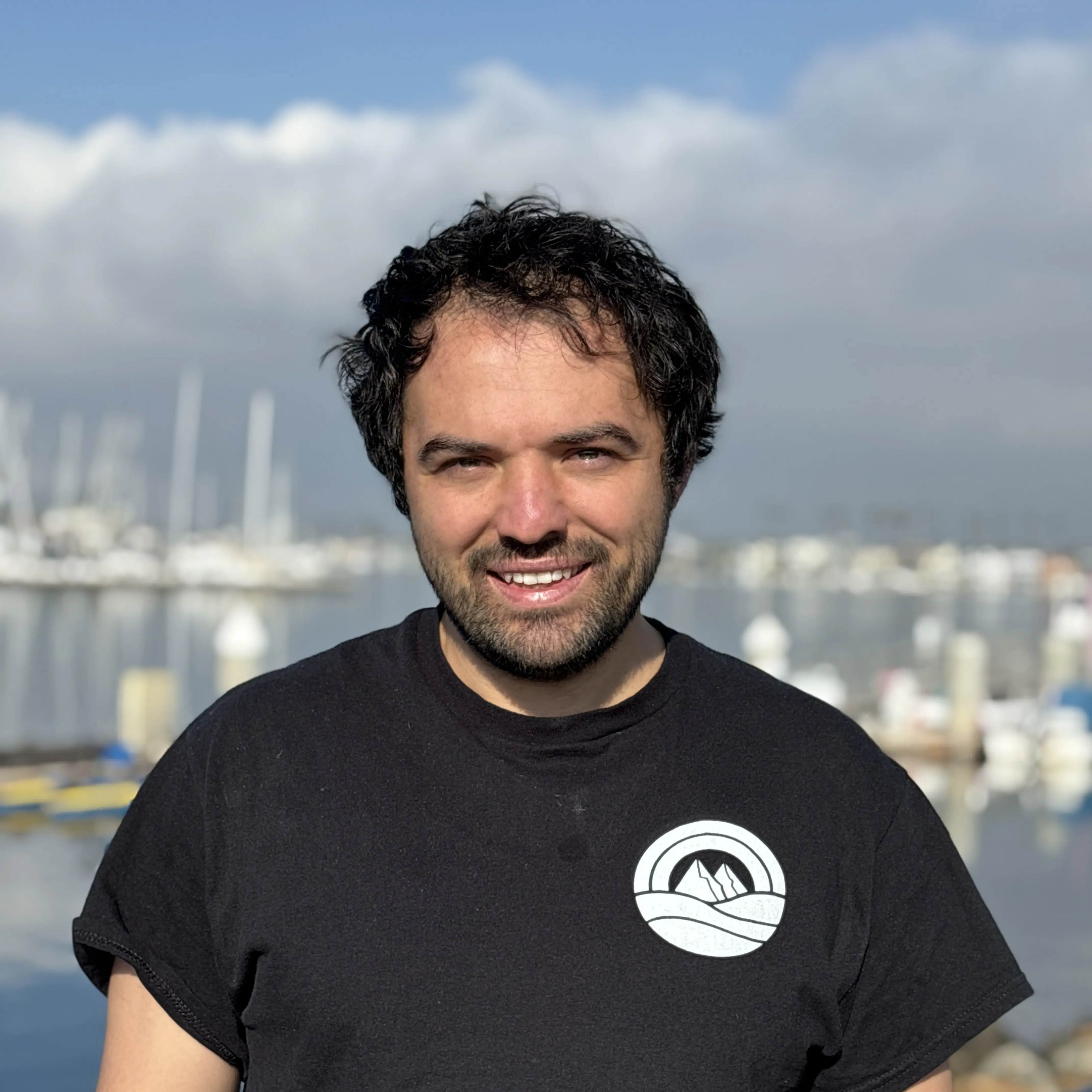
Dr. Win Cowger (AKA Dr. Trash) is the Executive Director at the Moore Institute for Plastic Pollution Research. He studies the sources, transport, and fate of plastic pollution in the environment. His science focuses on identifying solutions to plastic pollution and assessing their effectiveness. As an applied scientist, Win works with nonprofit groups like Let’s Do It World and Algalita, Government agencies like the Ocean Protection Council, and academics to implement science in practice.